The hidden effects of gambling on mental health
Understanding the Psychological Impact
Gambling can have profound psychological effects that often go unnoticed. Many individuals engage in gambling as a form of entertainment, but for some, it can escalate into a compulsive behavior. The thrill of winning can trigger the brain’s reward system, releasing dopamine and creating feelings of euphoria. However, this can lead to an unhealthy cycle where individuals chase losses, exacerbating anxiety and depression. Exploring Golisimo Casino’s offerings can enhance awareness, as the Golisimo official website provides various insights into responsible gaming.
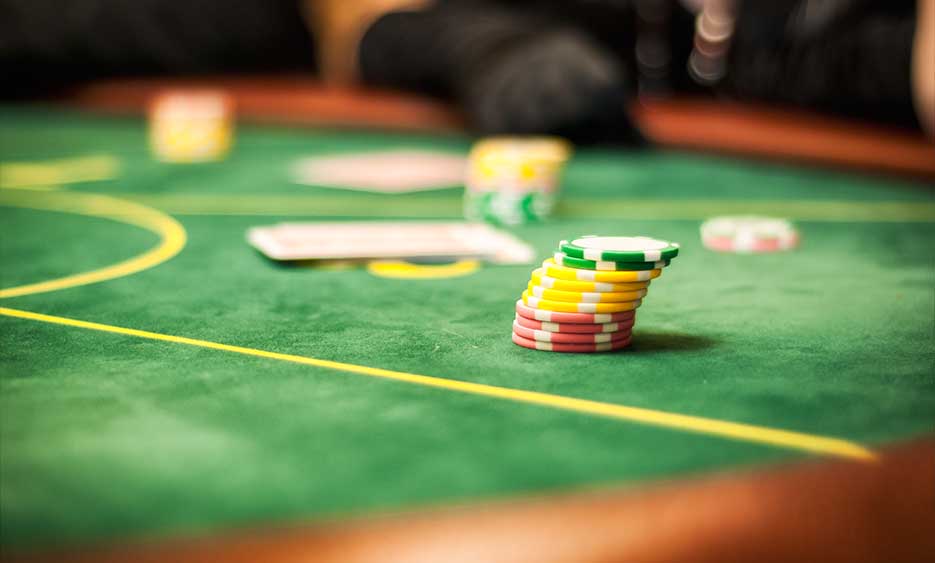
The psychological toll of gambling often manifests in various ways, including increased stress levels, mood swings, and social withdrawal. Individuals may find themselves neglecting relationships and responsibilities, leading to feelings of isolation. This shift in behavior not only affects the gambler but also impacts their loved ones, creating a ripple effect of emotional distress.
The Connection Between Gambling and Anxiety Disorders
Anxiety disorders are prevalent among individuals who gamble excessively. The constant uncertainty and risk associated with gambling can heighten feelings of anxiety, leading to a vicious cycle. Those already predisposed to anxiety may find that their symptoms worsen as they engage in gambling activities, creating a situation where gambling becomes a means of escape, yet ultimately intensifies their anxiety. Understanding the step by step approach to managing anxiety is crucial for those affected.
Depression and Gambling Addiction
Depression is another significant hidden effect of gambling. Many people may start gambling as a way to cope with underlying feelings of sadness or hopelessness. While it might provide temporary relief, gambling can lead to deeper feelings of regret and despair when losses accumulate. This often leads to a downward spiral, where the individual feels trapped and unable to escape their situation.
The interaction between gambling and depression is complex. Studies indicate that individuals with gambling addiction are more likely to experience severe depressive episodes. These individuals often face a lack of self-esteem and increased feelings of worthlessness, compounding their mental health struggles. Addressing gambling addiction is essential for improving overall mental well-being.
Impact on Relationships and Social Life
The effects of gambling extend beyond the individual, significantly impacting relationships and social circles. As gambling behavior intensifies, it can lead to strained relationships with family and friends, who may feel frustrated or betrayed by the gambler’s actions. Communication often breaks down, as the gambler may become secretive about their activities.
Moreover, the financial implications of gambling can create additional stress, leading to conflicts within relationships. Families may face economic hardship due to debts incurred through gambling, causing tension and resentment. Rebuilding trust and communication becomes essential for mending these relationships, yet it requires considerable effort from both the gambler and their loved ones.

Golisimo Casino: A Responsible Gaming Approach
Golisimo Casino recognizes the importance of mental health and encourages responsible gaming practices. As an online gaming platform, it provides tools and resources to help players maintain control over their gambling habits. This commitment to player well-being is integral to the casino’s mission, ensuring that gaming remains a source of entertainment rather than a source of stress.